Showing posts with label psychology. Show all posts

Tuesday, 31 December 2013

3 ways to control your spending in 2014

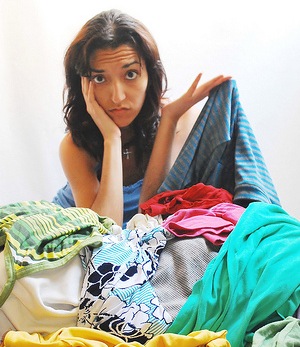
Science has thrown up some fascinating facts about how the brain operates when we're in consumer mode, and the processes at work when people over-spend. 

Apply some science to control your spending

There are three main factors at work - and to watch out for - if you want to keep spending under control in 2014:

1. Biological Factors: Don’t go shopping if you’re hungry, pre-menstrual or have just emptied your bladder.

You may not realise that your physiology is affecting your behaviour. But when you're hungry you will buy more food and make higher calorific choices at the supermarket. When in an anxious state you will be more likely to impulse-buy. That's because the physical state of high arousal leads to a depletion of the resources that govern self-control. And fluctuations in activity in the brain’s orbitofrontal cortex during the menstrual cycle will make you more likely to go on a spending spree when premenstrual. And more rational and controlled post-ovulation. Even an empty bladder affects your brain’s control mechanisms. Science has shown you’ll be more likely to (sorry) splash out if you’ve just spent a penny. So pay attention to your body before hitting the shops, it may be telling you to hold fire.
Try timing shopping trips with your menstrual cycle and avoid the pre-menstrual phase
2. Emotional factors: Don’t shop if you’ve just had a row, a stressful day or been dumped by your boyfriend.

People experience a range of emotions (anger, fear, sadness) in their daily lives and engage in all sorts of behavioural responses to keep them in check.  Some women find shopping gives them an emotional outlet, the way that alcohol or drugs can do for others. It distracts them from negative feelings and provides comfort in the form of a treat or reward. In fact studies of compulsive buying have shown that its prime function is to repair mood. So spot when emotions are running high and find an alternative way of releasing them. Find  distraction through exercise or relaxation, or seek social support by spending time with friends. Concentration, whether on gardening, painting or rock-climbing, is also a good way to absorb negative emotions. And the Do Something Different approach to behavioural change could help see you through the tough times because it's all about about breaking habits and increasing behavioural flexibility.
Buyer's remorse is like a shopping hangover
3. Cognitive factors: Don’t go shopping with low self-esteem and an “I deserve it attitude”.

Impulse purchases can trigger a lot of self-justification in the consumer, to assuage the guilt of over-spending. Their thoughts echo with the messages that have been implanted by constant brain-washing and bombarding marketing campaigns. Thoughts such as “Why shouldn’t I have it?” “I work hard I deserve it” “My friends will love me for it” and so on. Self-talk can also shift the focus onto the wrong things, “I’m saving £100 by buying this in the sale” (instead of, “I’m spending £200 I don’t have") or even "I'll show him!" Some cognitive reframing can help here. Relabel your credit card your debt card. Silently answer the ad-men back. Recall when you last had buyer’s remorse and tell yourself how you’ll feel tomorrow. And find ways to boost your self-esteem so that you can resist the constant bombardment of persuasive messages. 
Few people greet a large credit card bill with the words, “Because I’m worth it”.


Friday, 7 June 2013

What that 'red dress' symbolises: The psychology of fashion.

The dress sends many signals that explain why this image went viral. (Image: Reuters)


The image above, currently circulating on the internet, shouts fashion psychology more than people realise.

It’s of a young woman in a red dress being sprayed with tear gas by a policeman during the Istanbul riots. I have just come back from Istanbul (where I work in the fashion department at Bilgi University) and I was struck by the multitude of messages in this simple, momentary image. This is what fashion psychology can tell us:

Red and white outfit. Red and white flag.
First it’s not just a woman in a dress. It’s a woman in a red dress. And she’s carrying a white shoulder bag. This colour combination mimics that found on the Turkish flag. So this image will have a more powerful, albeit subliminal, impact on Turkish people at this time.
The woman's outfit echoes the Turkish flag:
more than mere coincidence?

Red for fertility
Secondly, the red dress has more resonance than any other colour. As well as being the colour of passion and love, red is the symbol of female fertility. In many species redness conveys that the female is ready to mate. So the image packs another punch; this young, fertile female is the mother of the next generation, of the future of Turkey.

Flared waist and fertility
Look at the style of the dress too. It isn’t a shift or a smock. It flares from the waist. This emphasises the women’s waist-to-hip ratio, which is about 0.7. That's the ratio that, on women, has been shown to correlate strongly with fertility.

Had she worn a blue dress, or a t-shirt and jeans, this image would not have been so powerful. Nor would it, I suspect have gone viral around the globe.

Dress choice is shaped by unconscious forces
This woman was largely unaware of the power of what she was wearing. Just as most of us are when we reach into our closets every day.  When she chose her red dress and grabbed her white bag that morning, it could have been a mere coincidence. But unconscious forces may have been at work too. We don't always understand why we wear what we wear, but our choices are rarely accidental. And they will be psychologically motivated. 

The masked man in black
And what about the guy firing tear gas at her? Research shows that his black uniform will have made him more likely to behave aggressively. His masked face will have reduced his sense of personal accountability. It will have lowered his threshold for expressing inhibited behaviours. By hiding behind his anonymity he was able to unleash his aggression on her. Was he drawn to her because of what she was wearing? It's possible. Although we do know from the indiscriminate firing of tear gas at protestors that she certainly wasn’t singled out for this treatment.

More than meets the eye
Yet the image stands out not just because of the appalling actions it depicts. The strong visual imagery reaches deep within us too. We look at it and we process the action in the photograph at a conscious level. But unconsciously the signals in the characters' clothing also have intensely powerful emotional resonance for us.

It's tempting to dismiss fashion as mere fluff. Until, that is, we start to decode its many meanings and marvel at what it reveals.


Sunday, 4 November 2012

Do you suffer from hedonic adaptation?


How many of the following statements would you agree with?
  • Most marriages start with a burst of joy that slowly fizzles out
    • The thrill of winning the lottery would wear off after a while
    • A larger salary wouldn’t make me much happier
    • Losing weight would only make life better temporarily
    • I have many possessions that I once thought were beautiful but don’t now
    • Most people stop noticing their partner’s good looks
    • I could achieve my dreams and still find I’m dissatisfied
    • There’s nothing as exciting as a new relationship
    If you answered Yes to more than two or three of these you may suffer from hedonic adaptation. 
    But, to be honest, most of us do.  
    Hedonic adaptation is simply when happiness wears off (cue Texas singing The thrill has gone). The way the excitement of that top job, windfall or new car fades with time. 
    Even winning the lottery produces only short-term ecstasy, for lottery winners are no happier 18 months after their win than non-winners. And I suspect there are many readers of this blog who have stuff in their wardrobes that they once thought was to-die-for that they now wouldn’t be seen dead in.

    Hedonic adaptation explains the tide of over-consumption that modern society is caught up in. If we didn’t ‘go off’ things, if last year’s handbag or winter coat thrilled us as much today as when we bought it, we wouldn’t be drooling over this year’s model. The exhilaration of acquisition gives buyers such a buzz that, like shopping junkies, they seek it out again and again. 
    How did I ever love this lot?
    We all know we should be content with less. We know that twenty pairs of shoes is more than enough for any bipedal creature. But the pull of the mall does, as I said in an earlier blog, threaten to make shopping zombies of us all.

    How can we stop this adaptation and prolong the pleasure of our purchases, or our priveleges? What can the field of fashion psychology tell us? Research about to be published in the Personality and Social Psychology Bulletin points to two key ways. Appreciation and variety. In their hedonic adaptation prevention model the authors say:
    Appreciation: Stop and appreciate every day what you have and you might be able to eek more excitement from it.
    Variety: Use it in different ways, to create more varied experiences, and the bliss could persist.

    Why? Because the brain habituates over time that we get bored with things*. The brain loves novelty and surprises, which is why the mantra I swear by, Do Something Differentis once again of huge relevance here.

    How? Here are my tips for preventing hedonic adaption and keeping the thrill alive:
    • Move stuff around so you continue to notice it.
    • Re-position your art or objects of desire in the home every so often so they have new impact.
    • Store winter clothes away in summer, and vice versa, and experience the newness of them when you get them out again months later.
    • Ditto with young kids’ toys. Divide them into four storage containers. Let them play with one set at a time while the others are hidden. Rotate on a weekly or monthly basis.
    •  Better still, stop buying toys and use a toy library or swap with friends. Babies habituate very quickly to stuff and love more novelty than even the most indulgent parent can afford.
    • Keep an appreciation or gratitude journal. This trick, from positive psychology, keeps reminding you of the good stuff in your life. It's shown to boost happiness as well as curbing the urge to go and buy more stuff.
    • Get excitement from experiences rather than from purchases. The effects are known to last longer and be more fulfilling. Very relevant at Christmas.
    • Use your old stuff in new ways, learn how to restyle your old clothes or swap with friends.
    • Rent, rather than buy, an outfit for a special occasion.
    • Do something different as often as possible in your life.  You’ll come to see that it’s all about what you do, not what you have.


    ·      * From the paper by Sheldon et al, University of Missouri:
    "By definition, adaptation occurs only in response to constant or repeated stimuli, not to dynamically varying ones. Thoughts and behaviors that are varied and unexpected or surprising appear to be innately stimulating and rewarding. Stated differently, after an individual completely understands and expects the experiences that a change produces, the experiences will no longer have the same emotional impact and he or she will drift back towards his or her initial wellbeing. Maintaining the variability and surprises inherent in the experiences and in the emotions forestalls this process… One applied implication of this view is that many people cope with their HA to their prior purchases and acquisitions by overconsuming and overspending. However, if they can continue to derive pleasure from what they already have, in part from varied experiences of those possessions, then they can resist increasing aspirations for even more."

    The Challenge of Staying Happier:
    Testing the Hedonic Adaptation Prevention (HAP) Model
    Kennon M. Sheldon, University of Missouri & Sonja Lyubomirsky, University of California, Riverside
    in press, Personality and Social Psychology Bulletin


    Wednesday, 4 April 2012

    On touching and being touched


    “Just hold it,” I heard the man in the Apple shop say to the young executive who had been gazing longingly at the new iPad.
    "Don’t touch it"  I wanted to say, "unless you really want to take it home with you."
    Touching an object increases our desire for it.

    Luckily I can hold back in these situations. I could get banned from so many shops otherwise. I wanted to warn the guy against touching because research shows that when we touch an object we’re more likely to buy it. 
    In fact, once we’ve touched it we’ll pay more for it. 
    If it feels nice that is. And, let’s face it, Apple products feel nice. Someone once described them to me as ‘lickable’. But going around licking stuff in shops would get us banned, so maybe holding them is the next best pleasure.

    Touching increases sense of ownership
    You see we’re used to touching stuff that we own. So, when we touch something in a shop, our sense of ownership is increased. And since we prefer the stuff that we own to other stuff, we’re prepared to pay more for it. No wonder so much impulse buying goes on.

    An eminent media coach once told me to get my audience to pass a copy of my book to the person at the far back of the room. “Then everyone who’s touched it will want it,” he said. I've never tested that one out (just in case it got passed right back to me).

    Touching changes the brain’s responses
    Our sense of touch is so fundamental that we like to have it stimulated when we’re feeling a bit low. When young mammals are sick or lost, the brain tries to replenish them by making them more sensitive to touch. Then they enjoy a hug more and can re-bond quickly. It’s the same with consumers. Not that they are injured or have lost their mums, but if they feel a bit depressed their responsivity to the tactile aspects of goods is increased. So if you shop when you feel depressed, and touch a lot of stuff, don’t be surprised if your credit card feels the pain.
    The brain changes in response to touch

    Strangers: Hands off
    We may like touching stuff in shops but we sure don’t want to rub shoulders with other customers. Research shows that even being brushed by a fellow shopper makes consumers more likely to head for the exit. Dr Brett Martin actually did an experiment to test this, half the consumers were brushed against while looking at a product, half weren’t (I know, us psychologists have all the fun). The  touched-ones left the store quicker and reported more negative feelings towards the brand afterwards, than those left ‘untouched’. So a store with narrow aisles crammed with goods is not making it easy for their customers to buy.

    Touched babies say No to drugs
    OK you might find the stuff about shopping and touching a bit trivial. But did you know that babies who get more cuddles are more able to resist drugs as adults?
    Cuddle me cuddle my brain

    This was first shown in studies with rats. Mother rats who were more nurturing and attentive produced specific changes in the immune responses in the brains of their pups, leaving them more able to resist the temptation of a dose of morphine later in life. So not only does a mother’s touch actually change brain functioning, scientists now think it’s also protective against later drug abuse.  


    Tuesday, 14 February 2012

    The psychology of shopping: how men and women shop

    (SPONSORED POST)
    Did you know that every time you step into a shop, there are a million and one things that are designed to make you part with your cash? 

    Have you ever popped to the shops to buy milk and come home with a bag full of shopping?

     It's annoying how they place the milk at the back of the shop, isn't it!

    An international bestselling book 'Why We Buy - The Science of Shopping' gives an insight into some of the ways retailers use psychology to make people buy more, and it seems that men and women are targeted in very different ways.

    Its author, Paco Underhill, has spent years observing shoppers in retail environments. If you want to shop smarter, you might be interested by some of the book's insights.

    First of all, not everybody who walks into a shop knows whether they will buy anything. 60 to 70% of purchases in supermarkets are 'unplanned'. A store's success depends on how many shoppers it can convert into buyers.

    Frugal tip: Don't go shopping unless you need something

    Merchandise, where products are placed on the shelf (eye line products sell the most) the smells and lights, the blast of warm air as you enter the shop, the layout of the aisles: it can all determine whether you buy - and lead you towards a product you never even knew you wanted.

    Targeting Women
    Mr Underhill says shopping environments are geared towards women, as women generally choose most of the purchases, including mundane things like groceries.

    Family-friendly shops have wide aisles for prams and push-chairs, some provide crèches or children's play areas and special parking spaces for mums. These shops want to attract the 'decision makers'.

    Cosmetics and toiletries are generally a woman's domain and women like to take their time to read the packaging before they buy. In one study, 63% of women who bought something in a chemist read the packaging. So you'll find that the cosmetics aisle is usually secluded and private to give them time - so they'll buy more! In department stores, greater pressure tactics are used - most of the beauty products don't have price tags, and women feel embarrassed to ask the lady behind the counter how much something costs, and end up buying it anyway.

    Frugal tip: Don't be embarrassed to ask how much an unlabelled item costs before you buy it.

    Targeting men
    According to Mr Underhill, 65% of men they observed who tried on an item of clothing bought it, whereas only 25% of women did so. Women enjoy the experience of trying different clothes on, whereas men seem to find it stressful. Retailers try to make the men's changing rooms easy to find - as they're likely to get a higher conversion rate.

    Frugal tip: Men - if you try on an item of clothing - you're statistically more likely to buy it.

    86% of women look at price tags, whereas only 72% of men do. While Mr Underhill believes that men ignore price tags to 'prove their virility' - what it really means is that retailers find it easier to upgrade men to more expensive products, whereas women are more cautious.

    Frugal tip: Look at the price tag before you buy and decide whether you really need it.

    It's interesting to see how retailers use the psychology of shopping to make us spend more - they're well aware of how we will behave in certain conditions. Next time you're out shopping, think about whether the purchasing decision you make is one you came to by yourself, or whether someone pushed you along a little bit. You may be surprised!

    This article was provided by Lucy Bower from thinkmoney.co.uk, where she's been writing frugal tips for almost a year now, and is thoroughly enjoying the frugal lifestyle because of it!

    Wednesday, 11 January 2012

    When did you last do something different?


    Are you a human habit machine?
    Here's a quick test, taken from Flex:Do Something Different:

    DO YOU OFTEN... 
    • wear the same outfit because it’s easy or comfortable?
    • express the same view?
    • do something you said you'd give up doing?
    • sit in the same spot to watch TV or eat a meal?
    • visit the same holiday destination?
    • recall negative things that people have said or done to you?
    • watch a regularly scheduled TV programme?
    • get bothered when people change plans at the last minute?
    If you answered YES to three or more of these statements then you are probably very habitual. Yes, habits are comfortable but they mean many of us end up using only about a tenth of our potential.
    The answer is to do something different. Why? Because it help improve a person's behavioural flexibility. And years of doing psychological research have convinced me that behavioural flexibility is the one critical asset we all need for a healthy and happy life.
    That's why Do Something Different runs through all the work I do. It's incredibly powerful, and it's fun and life-enhancing too. 
    We deliver behaviour change tools based on do something different via www.dsd.me and......


    NOW - A NEW BOOK!
    I'm so excited because we've put all the science and the methods for Do Something Different into ONE FABULOUS NEW BOOK.
    It's called Flex: Do Something Different, How to use the other 9/10ths of your personality.
    (Published by UH Press. See panel below right).

    It's released on 16th January 2012 and is available from Amazon for pre-order


    I hope you'll buy it, particularly if your habits need a good old shake-up!


    Monday, 31 October 2011

    10 design tricks to turn us all into shopping zombies

    This morning, after apparently being quoted in the Daily Mail talking about women's love of shopping, I popped out to the local shop where I'm staying in Dunvegan on the Isle of Skye.
    It looks like this (below).


    Skye's answer to Westfield? Not a digital waterfall in sight.

    I know, they couldn't make it less appealing if they tried.  But there's a certain authenticity to this type of shop;  a corrugated-tin reminder that shopping is just about getting the stuff we need, not a leisure activity.
     Shopping is just something we do in order to live better lives, it shouldn't be the way we live our life.
    I wasn’t the first to compare shoppers to zombies (see earlier post and a dazzling analysis by Mimi Spencer in Saturday’s Times) and I’m sure I won’t be the last, but recent news about a million shoppers invading Westfield in its first week of opening got me thinking again about the draw of the mall. And all the psychological tricks that are pulled to make sure the mindless keep searching those seven miles of shop fronts, perhaps in the vain hope they’ll find their lost soul.
    Are you being served? Or manipulated?
    Westfield’s marketing team are on a mission to make sure the shopper stays for at least two hours. Because the average person won't be able to go for more than two hours without parting with a hefty proportion of their paypacket, and feeling the need to top it off with a cappuchino and a visit to one of its 50 cafes.
    Here's how the designers-cum-brainwashers plan the mall to persuade you to suspend your critical faculties and surrender to the goddess of eternal consumption:
    ·     No clocks for fear you might notice the time (and your life) slipping away and feel compelled to rush empty-handed towards the exit.
    ·       The soul-less exterior of the mall, anonymous and blank enhances the contrast effect as you enter the sparkling glassy jingly interior.
    ·       Deliberately disorientating layouts so you get lost and retrace your steps or go off on an aimless purse-splurge.
    ·       Reflective echoing floors that make the carpeted interior of the shops more alluring.
    ·       Ditto the harsh lighting in the malls contrasting with the seductive and glitzy lighting of the shops’ interiors.
    ·       Mirrors on the walls between shops. People slow down when they pass mirrors (vanity) and how can they sell to you if youre rushing around?
    ·       Slowing your pace down slows your heart rate and even your blink rate, rendering you more mesmerised and gullible. Piped birdsong and a digital waterfall help the coma-induction process.
    ·       Shopping stretches of a maximum length of 300 metres, about the distance for which buying interest can be held at a peak before waning.
    ·       Expanses of stores above and around that are visible through glass balustrades and open plan escalators, giving uninterrupted views of tempting targets,
    ·       Scrupulously clean floors so your attention is exclusively fixed on shop fronts and not distracted by having to step over or around street detritus.
    So next time you realise you spent more time in the shopping centre than you'd intended and more cash than you could afford, you'll know how it happened.